
Top Trends in K–12 and Higher Ed Lab Design
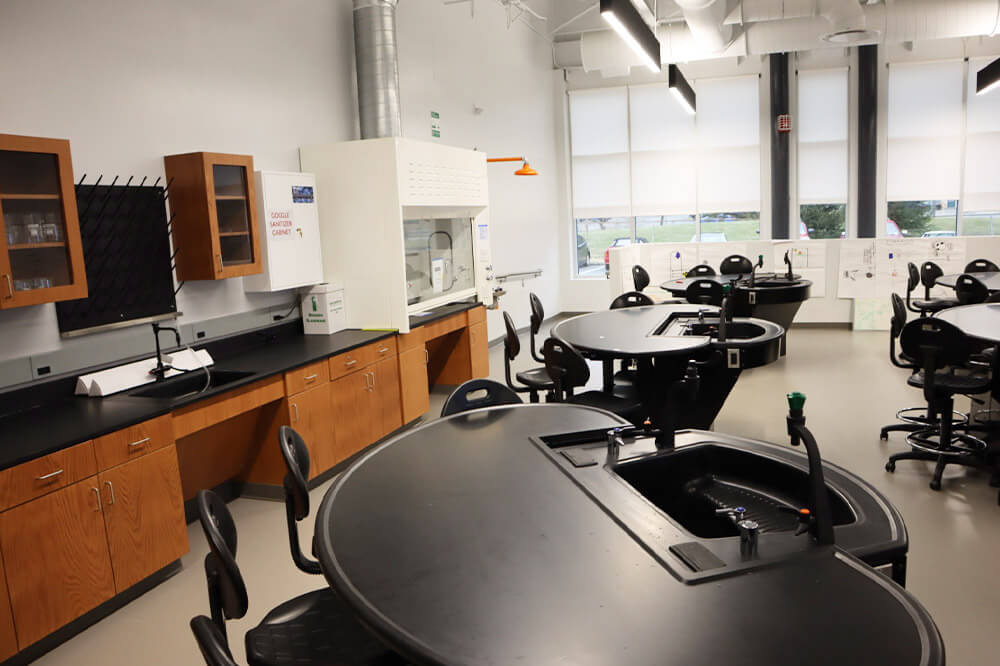
Laboratory design in education is evolving. Schools are no longer building labs for a single subject or fixed curriculum. Instead, they are creating environments that support flexibility, collaboration, and long-term performance.
As science programs grow and technology continues to advance, lab spaces must adapt. Here are the key trends shaping K–12 and higher education lab design today.
Flexible and Modular Design Is Leading the Shift
One of the most important trends in lab design is flexibility. Schools are moving away from fixed layouts and toward modular lab environments that can be reconfigured over time. This includes movable casework, adaptable workstations, and scalable infrastructure.
This shift is driven by the need to accommodate changing curriculum and evolving technology. As noted in industry research from Lab Manager, flexible lab design is increasingly seen as essential for future-proofing educational spaces.
Longo Labs incorporates this approach into its laboratory design and planning services, helping schools create spaces that can evolve without requiring constant renovation.
Multi-Use Science Spaces Are Replacing Single-Purpose Labs
Another major trend is the move toward multi-use lab environments. Instead of separating biology, chemistry, and physics into different rooms, schools are designing labs that can support multiple disciplines within one space. This improves space efficiency while encouraging interdisciplinary learning.
This approach aligns with broader education trends, as highlighted by the U.S. Department of Education’s focus on integrated science learning.
Technology Integration Is Now a Requirement
Modern labs must be designed with technology in mind from the start. This includes planning for:
- Increased power needs
- Data connectivity
- Integration of digital tools and equipment
According to News, technology is now a primary driver of lab design decisions, influencing both layout and infrastructure. Without proper planning, schools risk costly upgrades down the line.
Collaboration Is Reshaping Lab Layouts
Traditional lab layouts—rows of individual workstations—are being replaced by collaborative environments.
These spaces are designed to support:
- Group work
- Shared resources
- Interactive learning
Research from the Harvard Graduate School of Education shows that collaborative learning environments can improve student engagement and outcomes.
Designing labs that support collaboration is no longer optional—it’s expected.
Safety and Compliance Are Built Into Design
While design trends are evolving, safety remains a constant priority. Modern labs must meet:
- Ventilation requirements
- ADA accessibility standards
- Updated safety regulations
These elements are now integrated into the design process from the beginning, rather than addressed later.
Longo’s experience in lab planning and installation ensures that safety and compliance are built into every project.
Long-Term Planning Is Driving Decision-Making
Perhaps the most important shift is how schools are thinking about the future. Lab design is no longer focused only on immediate needs. Instead, schools are planning for:
- Future enrollment
- Curriculum changes
- New technologies
This long-term perspective helps maximize the lifespan of a lab while reducing the need for frequent renovations.
Final Thoughts
The most effective lab designs today are not just functional—they are adaptable. By focusing on flexibility, collaboration, and forward-thinking design, schools can create environments that support both current needs and future growth.
FAQs
What are the most important trends in school lab design?
Flexible layouts, multi-use spaces, technology integration, and collaborative environments are the most important trends shaping modern lab design.
Why are flexible labs becoming more common?
Flexible labs allow schools to adapt to changing curriculum, technology, and enrollment without needing major renovations.
How can schools future-proof their lab design?
By incorporating modular design, scalable infrastructure, and long-term planning strategies.