
Why Flexible and Modular Lab Design Is Becoming the New Standard
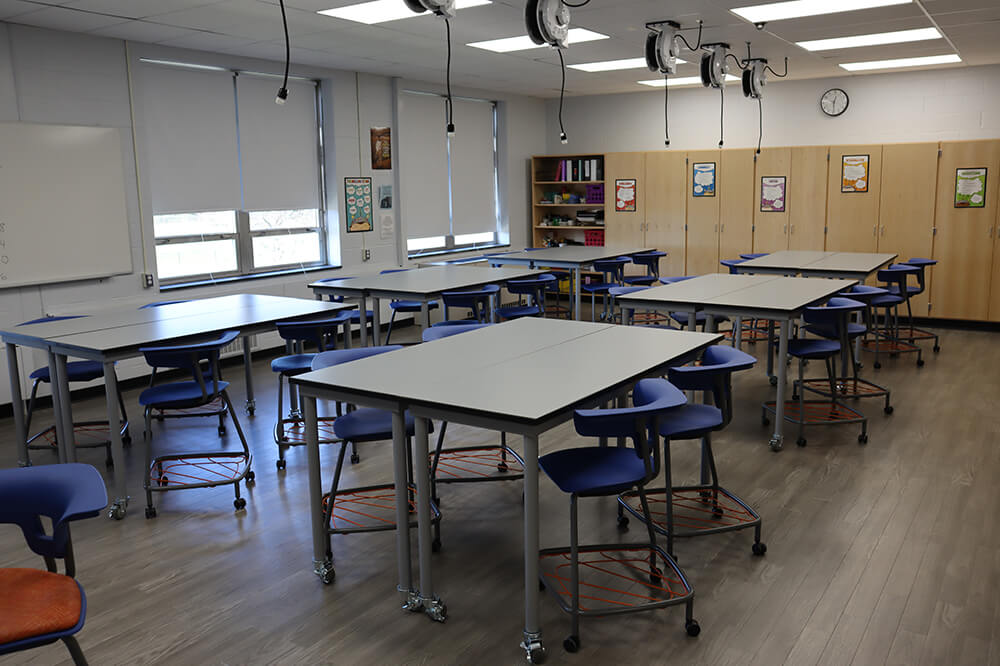
Laboratory design is changing rapidly, especially in education.
Schools and institutions are no longer building labs for a single purpose or static curriculum. Instead, they need spaces that can adapt to evolving technology, teaching methods, and safety requirements.
That’s why flexible and modular lab design is quickly becoming the new standard.
What Is Flexible and Modular Lab Design?
Flexible lab design refers to creating spaces that can be easily adapted over time.
Modular lab design takes this a step further by using:
- Movable casework
- Reconfigurable workstations
- Scalable infrastructure
This allows labs to evolve without major renovations.
In modern lab environments, modular systems enable labs to be reconfigured quickly with minimal disruption, supporting changing workflows and technologies
Why Flexibility Matters More Than Ever
1. Technology Is Constantly Changing
New equipment, digital tools, and teaching methods are evolving quickly.
A fixed lab layout can become outdated in just a few years.
Flexible labs allow schools to:
- Integrate new tools easily
- Adjust layouts for different class types
- Avoid costly rebuilds
2. Schools Need Multi-Use Spaces
Today’s labs are no longer just for one subject.
They need to support:
- Biology
- Chemistry
- Physics
- STEM collaboration
Flexible layouts allow for multi-purpose use without sacrificing functionality.
3. Long-Term Cost Efficiency
While flexible design may require more planning upfront, it reduces:
- Future renovation costs
- Downtime during upgrades
- Waste from demolition
Flexible labs ultimately reduce long-term costs by minimizing the need for repeated renovations.
4. Better Learning Environments
Flexible labs create:
- More collaborative spaces
- Better flow and usability
- Improved accessibility
This supports both students and educators.
Key Features of a Flexible Lab
A well-designed flexible lab typically includes:
- Modular casework and benches
- Mobile workstations
- Expandable utility infrastructure
- Open layouts for collaboration
- Adaptable storage systems
Movable casework and modular utilities improve both functionality and safety in lab environments.
How Schools Are Applying This Today
Across K–12 and higher education, institutions are:
- Designing labs for future curriculum changes
- Creating multi-use STEM environments
- Planning for phased upgrades instead of full renovations
At Longo Labs, this approach is central to helping schools build labs that work today and tomorrow.
Explore how flexible design fits into your next project.
Final Thoughts
Flexible and modular lab design isn’t just a trend—it’s a smarter way to plan for the future.
Schools that invest in adaptable spaces are better positioned to:
- Keep up with evolving education needs
- Maximize their investment
- Create better learning environments
FAQs
What is modular lab design?
Modular lab design uses prefabricated, reconfigurable components that can be adjusted or expanded over time.
Why are labs becoming more flexible?
Because technology, teaching methods, and research needs are constantly evolving.
Is flexible lab design more expensive?
While initial planning may be more detailed, it typically reduces long-term costs by avoiding future renovations.